Embarking on a career as a hunting guide demands dedication, expertise, and a deep connection with the wilderness. It’s a path requiring licensing,
like obtaining one from the Hawaii Department of Land and Natural Resources, and specialized skills for successful hunts across diverse terrains.
What Does a Hunting Guide Do?
A hunting guide’s role is multifaceted, extending far beyond simply leading clients to game. They are responsible for the complete hunting experience, ensuring both safety and success. This includes in-depth knowledge of game habits, tracking skills, and ethical hunting practices. Guides expertly navigate wilderness areas, often establishing remote tent camps and managing all logistical aspects of the hunt.
Crucially, a guide must be proficient in wilderness first aid and CPR, prepared to handle emergencies in isolated locations. They expertly pack and secure gear, understanding the intricacies of panniers and essential knots to prevent accidents, especially when utilizing pack animals like horses or mules. Furthermore, they often provide transportation, meals, and even photographic documentation of the hunt, offering a comprehensive service to their clients. Their expertise ensures a memorable and responsible outdoor adventure.
The Appeal of a Career in Guiding
The allure of a hunting guide career lies in its unique blend of passion and profession. It’s a chance to spend days immersed in the wilderness, sharing a love for hunting and the outdoors with others. For those seeking a non-traditional job, guiding offers independence and a dynamic work environment, far removed from the confines of an office.
Opportunities extend beyond domestic landscapes, with potential for international assignments – from tracking blue sheep in China and tahr in Nepal, to pursuing polar bear in the Canadian wilderness. The profession attracts individuals with strong outdoor skills and a desire to connect with nature. It’s a career that can be physically demanding, but incredibly rewarding, offering the satisfaction of facilitating successful hunts and creating lasting memories for clients. The potential for specialized guiding, like waterfowl or big game, adds further appeal.
Essential Skills for Hunting Guides
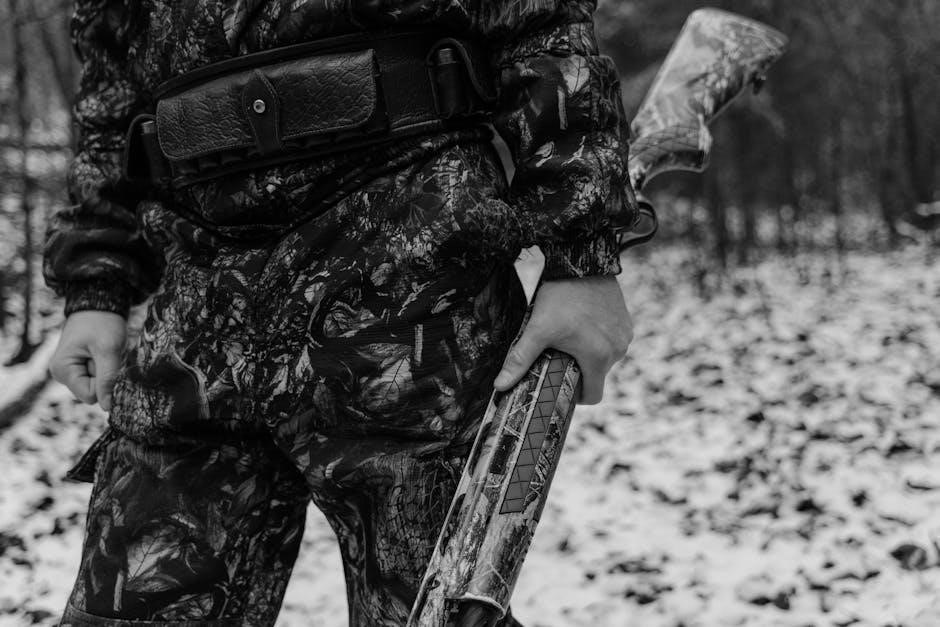
Proficiency in wilderness first aid, CPR, navigation, and hunting techniques are paramount. Guides must possess extensive game knowledge and expertly manage risks in remote environments.

Wilderness First Aid and CPR Certification
A hunting guide’s role frequently places them far from immediate medical assistance, making comprehensive wilderness first aid and CPR certification absolutely non-negotiable. This isn’t simply about knowing basic bandaging; it’s about handling severe trauma, managing environmental emergencies like hypothermia or heatstroke, and stabilizing injuries until evacuation is possible.
Certification courses should cover topics like wound management, fracture immobilization, allergic reactions, and recognizing/treating life-threatening conditions. The ability to assess a situation calmly and efficiently, coupled with practical skills, can be the difference between a manageable incident and a tragedy. CPR certification, including adult, child, and infant techniques, is equally vital, as cardiac arrest can occur unexpectedly.
Regular refresher courses are crucial to maintain proficiency and stay updated on the latest protocols. Employers and licensing bodies often mandate current certifications, demonstrating a commitment to client and guide safety in the unpredictable wilderness setting.
Navigation and Orienteering Skills
Proficiency in navigation and orienteering is paramount for a hunting guide, as relying solely on technology is risky in remote areas where signal can be unreliable or batteries fail. Mastery of traditional map and compass skills is fundamental, enabling accurate route planning, terrain assessment, and pinpointing locations even in challenging conditions.
Guides must be adept at reading topographic maps, understanding contour lines, and utilizing declination for precise bearings. GPS devices are valuable tools, but should be used as a supplement, not a replacement, for core navigation skills. The ability to estimate distances, identify landmarks, and maintain situational awareness are also critical.
Furthermore, understanding how weather patterns impact visibility and terrain is essential for safe and efficient travel. Guides should be capable of navigating in all conditions, including darkness, fog, and inclement weather, ensuring both their safety and the safety of their clients.

Hunting Techniques and Game Knowledge
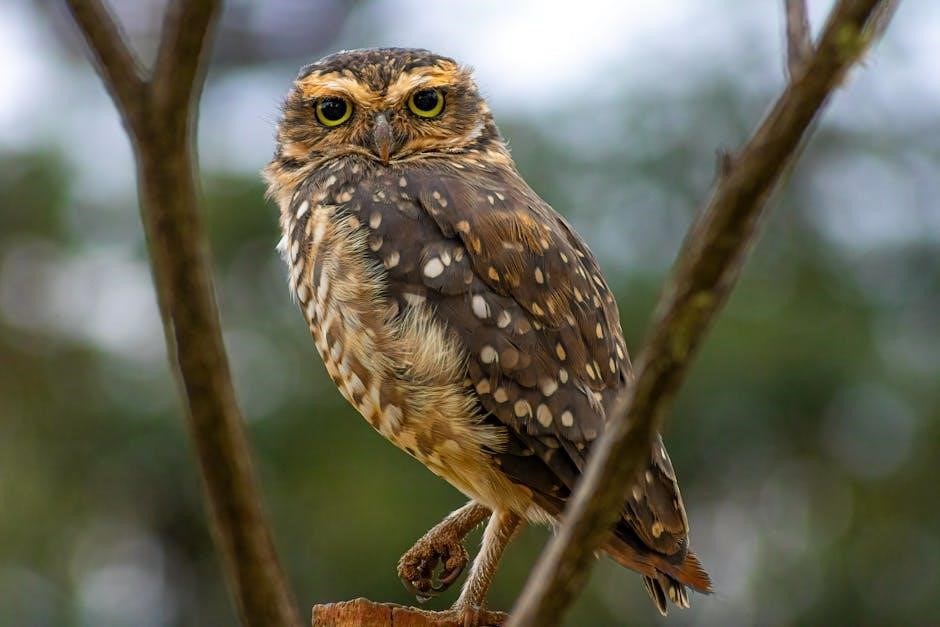
A successful hunting guide possesses an extensive understanding of animal behavior, habitat preferences, and effective hunting techniques. This includes knowledge of various game species – deer, bear, elk, waterfowl, and upland game – and their seasonal movements, feeding patterns, and breeding habits.
Guides must be proficient in a range of hunting methods, such as tracking, stalking, still hunting, and utilizing game calls. Ethical hunting practices are non-negotiable, emphasizing fair chase, responsible harvesting, and respect for wildlife. Understanding local regulations, bag limits, and hunting seasons is crucial for legal compliance.
Beyond technical skills, a guide’s ability to accurately assess animal sign – tracks, scat, rubs, and scrapes – is vital for locating game. They must also be skilled in field dressing, meat care, and ensuring a quick, humane harvest, demonstrating respect for the animal and providing clients with quality trophies.
Physical Fitness and Outdoor Expertise
Guides require exceptional stamina and endurance for navigating challenging terrain, often while carrying substantial loads. Wilderness living skills and camp establishment are also essential for prolonged hunts.
Stamina and Endurance Requirements
A hunting guide’s life is physically demanding, necessitating peak stamina and endurance. Expect long days spent traversing varied landscapes – from steep inclines to dense forests – often while carrying heavy packs. The ability to maintain a consistent pace over extended periods is crucial, as clients will rely on your physical capabilities.
Guides frequently navigate challenging conditions, potentially including extreme weather and rugged terrain. This requires not only cardiovascular fitness but also significant muscular strength and resilience. The work isn’t limited to walking; it often involves scrambling over obstacles, packing and transporting gear, and potentially assisting clients with their own burdens.
Furthermore, the unpredictable nature of hunting demands the ability to react quickly and efficiently, even when fatigued. Maintaining focus and alertness throughout a hunt is paramount for safety and success. Regular physical training, including hiking with a weighted pack, is vital preparation for the rigors of the job.
Packing and Load Management (Panniers & Knots)
Proficiency in packing and load management is non-negotiable for a hunting guide, especially when utilizing pack animals like horses or mules. Knowing how to balance and securely attach panniers is critical; a poorly secured load can lead to dangerous situations, including wrecks on challenging trails. These animals navigate trees and steep terrain, amplifying the risk of instability.
A comprehensive understanding of essential knots is paramount. These knots aren’t merely for securing gear to animals but also for various camp tasks and emergency situations. The ability to quickly and reliably tie strong, dependable knots ensures the safety of both the load and the animals.

Guides must be able to distribute weight effectively to maintain balance and prevent strain on the animals. Improperly loaded panniers can cause discomfort, injury, or even a refusal to proceed. Mastering these skills demonstrates a commitment to responsible animal handling and client safety.
Camp Establishment and Wilderness Living Skills
Given that wilderness hunts frequently involve tent camps, a hunting guide must possess expert-level camp establishment skills. This extends far beyond simply pitching a tent; it encompasses site selection, considering factors like water sources, wind protection, and potential hazards. Efficiently organizing a camp ensures comfort and functionality for both clients and the guide.
Wilderness living skills are equally crucial. Guides should be adept at fire starting in various conditions, procuring and purifying water, and understanding basic shelter construction. Knowledge of local edible plants and potential dangers—like poisonous flora or fauna—is vital for safety and self-sufficiency.
Furthermore, a guide needs to practice Leave No Trace principles, minimizing environmental impact and preserving the wilderness for future generations. These skills demonstrate respect for the environment and a commitment to responsible hunting practices, enhancing the overall experience.
Legal Requirements and Licensing
Becoming a hunting guide necessitates strict adherence to legal protocols, including obtaining licenses from relevant authorities—such as Hawaii’s Department of Land and Natural Resources—and securing appropriate insurance coverage.
State-Specific Licensing Processes (e.g., Hawaii Department of Land and Natural Resources)
Navigating the licensing landscape is crucial for aspiring hunting guides, as requirements vary significantly by state. In Hawaii, for instance, individuals must secure a license directly from the Department of Land and Natural Resources (DOFAW). Applications are readily available at all Division of Forestry and Wildlife (DOFAW) offices across the islands, streamlining the process for potential guides.
The specific application procedures, required documentation, and associated fees differ considerably between jurisdictions. Some states may mandate comprehensive background checks, proof of relevant experience, and successful completion of specific training programs. Others might necessitate demonstrating a thorough understanding of local hunting regulations and wildlife management practices;
Prospective guides should proactively research the precise licensing stipulations within their intended operating area. Thorough preparation and adherence to these regulations are paramount, ensuring both legal compliance and responsible guiding practices. Ignoring these steps can lead to hefty fines or even the revocation of guiding privileges;
Insurance and Liability Considerations
Operating as a hunting guide inherently involves risks, making comprehensive insurance coverage and a keen awareness of liability issues absolutely essential. Guides are potentially exposed to claims arising from accidents, injuries to clients, or damage to property during hunts. Robust general liability insurance is a foundational requirement, protecting against financial losses from such incidents.
Furthermore, professional liability insurance, also known as errors and omissions insurance, can safeguard against claims of negligence or inadequate guiding services. Given the remote and often challenging environments where hunts take place, emergency medical evacuation insurance is also highly recommended, ensuring swift access to critical care if needed.
Detailed waivers and release forms, meticulously outlining the inherent risks of hunting and acknowledging client responsibility, are crucial legal safeguards. Consulting with a legal professional specializing in outdoor recreation is advisable to ensure these documents are comprehensive and enforceable, minimizing potential liability exposure.

Specialized Hunting Guide Opportunities
Guides can specialize in big game like deer, bear, and elk, or focus on waterfowl and upland birds. International opportunities exist in places like China, Nepal, and Canada.
Big Game Hunting Guides (Deer, Bear, Elk)
Specializing in big game – deer, bear, and elk – often requires extensive knowledge of animal behavior, tracking, and the specific regulations for each species within a given state. Guiding for these animals frequently involves navigating challenging terrain, often necessitating expert packing skills and secure load management using panniers and essential knots.
A successful big game guide must be proficient in camp establishment, creating comfortable and safe wilderness living spaces for clients during multi-day hunts. Understanding seasonal migration patterns and preferred habitats is crucial for locating game. Furthermore, guides must demonstrate a commitment to ethical hunting practices and client safety, possessing wilderness first aid and CPR certification.
The demand for experienced big game guides remains consistently high, particularly in regions with abundant populations of these sought-after animals. Opportunities can range from fully outfitted hunts to drop-camp assistance, offering varied income potential and rewarding experiences in the great outdoors.
Waterfowl and Upland Game Guides
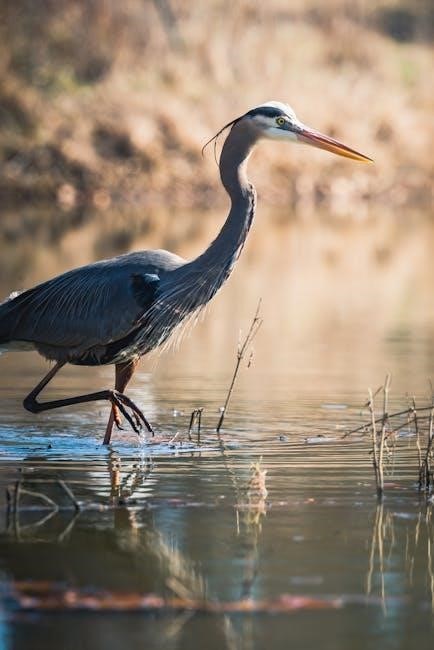
Guiding for waterfowl and upland game – such as pheasant, quail, and grouse – presents a unique set of challenges and rewards. Success hinges on a deep understanding of bird behavior, flight patterns, and preferred feeding grounds. Guides must be adept at setting up effective blinds, utilizing calls and decoys, and retrieving downed birds, often with the assistance of skilled hunting dogs.
Knowledge of local regulations concerning shooting hours, bag limits, and permitted hunting methods is paramount. These guides frequently operate in wetlands or agricultural fields, requiring familiarity with water safety and landowner permissions. Physical stamina is essential, as hunts often involve extensive walking and navigating varied terrain.
Offering specialized packages, including providing equipment and transportation, can enhance client appeal. Building relationships with local farmers and landowners is key to securing access to prime hunting locations, contributing to a thriving guiding business focused on these popular game species.
International Hunting Guide Opportunities (China, Nepal, Canada)
Venturing into international guiding opens doors to extraordinary adventures, but demands heightened preparation. Opportunities exist in diverse locales like China, Nepal, and Canada, each presenting unique logistical and cultural considerations. Guiding blue sheep hunts in China or tahr in Nepal often necessitates navigating remote, spartan conditions, requiring exceptional wilderness survival skills and physical resilience.
Canadian opportunities, particularly for big game, may involve extended backcountry expeditions. Guides must be fluent in relevant regulations, possess international travel documentation, and demonstrate cultural sensitivity. Proficiency in multiple languages is a significant asset.
Securing permits and establishing relationships with local outfitters are crucial steps. Clients seeking these experiences often expect a high level of service and expertise, demanding guides be adaptable, resourceful, and capable of handling complex travel arrangements. A willingness to embrace challenging environments is essential for success.
Building Your Hunting Guide Business
Success hinges on effective marketing, client acquisition, and competitive pricing strategies. Packages should clearly outline services, and a strong online presence is vital for attracting hunters.
Marketing and Client Acquisition
Establishing a robust marketing strategy is paramount for attracting clients. A professional website detailing your services, experience, and hunting locations is essential. Leverage social media platforms – showcasing successful hunts with compelling photography and videography can generate significant interest.
Networking within the hunting community is crucial. Attend hunting expos, join relevant online forums, and collaborate with outfitters or sporting goods stores. Consider offering introductory packages or discounts to build a client base and garner positive reviews.
Word-of-mouth referrals are invaluable. Encourage satisfied clients to spread the word about their experiences. Testimonials on your website and social media channels add credibility. Targeted advertising in hunting magazines or online publications can also reach a wider audience. Remember, building trust and demonstrating expertise are key to securing repeat business and attracting new hunters seeking a memorable and successful guided experience.
Pricing Strategies and Packages
Developing a comprehensive pricing structure is vital for profitability and attracting clients. Consider offering tiered packages based on hunt duration, species targeted, and included amenities. A basic package might cover guiding fees and transportation, while premium options could incorporate lodging, meals, and trophy preparation.
Research competitor pricing in your region to establish a competitive yet profitable rate. Factor in expenses like licenses, insurance, fuel, and equipment maintenance. Clearly outline what is included and excluded in each package to avoid misunderstandings.
Value-added services, such as providing high-quality optics or offering photographic documentation of the hunt, can justify higher prices. Consider seasonal discounts or group rates to incentivize bookings. Transparent pricing and flexible packages demonstrate professionalism and build client confidence, ultimately contributing to a sustainable hunting guide business.