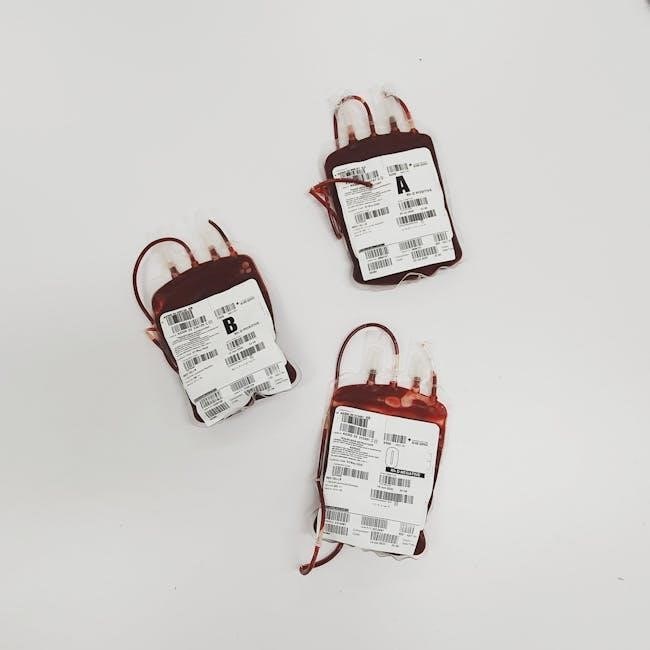
The Blood Type O Diet, gaining traction since the early 1990s, proposes a personalized nutritional approach based on one’s blood type, aiming for optimal health.
This dietary strategy, popularized by Dr. Peter D’Adamo, suggests individuals with Type O blood benefit most from a high-protein, meat-centric diet, mirroring the eating habits of early hunter-gatherers.
The core idea revolves around the belief that blood type influences how the body digests and metabolizes food, impacting overall well-being and potentially aiding weight loss.
What is the Blood Type O Diet?
The Blood Type O Diet, as outlined by Dr. Peter D’Adamo in his book “Eat Right 4 Your Type,” is a personalized nutrition plan centered around the premise that individuals thrive on diets best suited to their blood type.
For those with Type O blood, considered the oldest blood type, the diet emphasizes a high-protein intake, mirroring the presumed diet of our Paleolithic ancestors – hunter-gatherers. This means a focus on lean meats, poultry, fish, and seafood, while significantly limiting or eliminating grains, legumes, and dairy.
The diet isn’t simply about what you eat, but how your body processes it. It posits that Type O individuals produce lower levels of stomach acid, making digesting carbohydrates and dairy more challenging. Therefore, the diet prioritizes foods easily broken down and utilized by this blood type, aiming to optimize digestion, boost metabolism, and promote overall health. Finding a comprehensive blood type o diet food list PDF is a common starting point for those exploring this approach.
The Theory Behind the Diet
The foundational theory of the Blood Type O Diet rests on the idea that blood type antigens – substances triggering an immune response – aren’t solely present in blood, but also in foods.
Dr; D’Adamo argues that consuming foods incompatible with your blood type triggers an immune reaction, leading to inflammation, digestive issues, and potentially, chronic diseases. For Type O individuals, foods containing lectins (proteins found in many plants) are believed to clump together in the digestive system, hindering nutrient absorption.
This theory suggests that early humans developed digestive systems optimized for specific diets based on their environment and blood type. Type O, being the oldest, is thought to function best with a high-protein, low-carbohydrate diet. Many seeking to implement this diet begin by searching for a detailed blood type o diet food list PDF to understand permitted and restricted foods, aligning their intake with this ancestral dietary pattern.

Blood Type O Diet Food List: Foods to Eat
For Type O individuals, a focus on lean proteins, specific vegetables, and certain fruits forms the cornerstone of this dietary approach, as detailed in many blood type o diet food list PDF guides.
Proteins for Blood Type O
Protein is paramount for those with Type O blood, aligning with the ancestral hunter-gatherer physiology. A blood type o diet food list PDF will emphasize lean meats as the primary protein source, including beef, lamb, and venison, promoting efficient digestion and nutrient absorption.
Poultry, particularly turkey and chicken, are also beneficial, though in moderation. The diet suggests avoiding pork due to its perceived digestive challenges for Type O individuals. Fish and seafood play a crucial role, providing essential omega-3 fatty acids.
Optimal choices include salmon, tuna, sardines, and mackerel. These protein sources support metabolic function and contribute to overall health. Remember to prioritize wild-caught options whenever possible, ensuring higher nutritional value and minimizing exposure to potential contaminants; Careful protein selection is key to success.
Optimal Meat Choices

For Blood Type O, a blood type o diet food list PDF will highlight specific meat selections as highly beneficial. Lean red meats, such as beef and lamb, are considered optimal, mirroring the protein-rich diet of our ancestors. These provide readily digestible protein and essential nutrients like iron and zinc.
Venison and bison are also excellent choices, offering a leaner profile and a richer nutrient density. Grass-fed options are particularly encouraged, minimizing exposure to hormones and antibiotics. The diet emphasizes avoiding conventionally raised meats, prioritizing quality and sourcing.
While poultry is acceptable, moderation is key. Turkey and chicken are preferred over pork, which is believed to be more difficult for Type O individuals to digest efficiently. Prioritizing these optimal meat choices supports metabolic function and overall well-being.
Fish and Seafood Recommendations
A blood type o diet food list PDF will showcase seafood as a cornerstone of the Type O diet, offering readily digestible protein and essential omega-3 fatty acids. Cold-water fish like salmon, tuna, mackerel, and sardines are particularly beneficial, supporting heart health and reducing inflammation.
Cod, halibut, and trout are also excellent choices, providing lean protein without the digestive burden of heavier meats. Shellfish, including shrimp, prawns, and mussels, are generally well-tolerated and offer a valuable source of nutrients.
However, the diet advises limiting or avoiding certain seafood options, such as octopus and smoked fish, which may be more challenging to digest for individuals with Blood Type O; Prioritizing wild-caught varieties ensures optimal nutrient content and minimizes exposure to contaminants.
Vegetables for Blood Type O
A comprehensive blood type o diet food list PDF emphasizes a generous intake of vegetables, crucial for providing essential vitamins, minerals, and fiber. Type O individuals generally thrive on cruciferous vegetables like broccoli, spinach, kale, and collard greens, aiding detoxification and promoting digestive health.
Other beneficial options include red peppers, onions, garlic, lettuce, and pumpkin. These vegetables are easily digested and contribute to a balanced nutritional profile. However, the diet suggests limiting consumption of potatoes, cabbage, cauliflower, Brussels sprouts, and eggplant, as they may interfere with thyroid function or cause digestive discomfort.
Focusing on fresh, organic produce whenever possible maximizes nutrient density and minimizes exposure to pesticides, aligning with the diet’s holistic approach to well-being.
Beneficial Vegetables
According to a detailed blood type o diet food list PDF, individuals with Type O blood experience optimal health benefits from a variety of vegetables. Dark leafy greens like spinach, kale, and collard greens are highly recommended, providing essential nutrients and supporting detoxification processes.
Broccoli, a cruciferous vegetable, is also a cornerstone of the Type O diet, offering potent antioxidant properties. Red peppers, onions, and garlic contribute to immune function and possess anti-inflammatory benefits. Lettuce varieties, particularly romaine, provide hydration and fiber.
Pumpkin, rich in beta-carotene, supports vision health. These vegetables are easily digestible for Type O metabolisms, promoting efficient nutrient absorption and overall vitality.
Vegetables to Limit
A comprehensive blood type o diet food list PDF outlines specific vegetables that individuals with Type O blood should consume in moderation. Cabbage and cauliflower, while nutritious, can interfere with thyroid function and may cause bloating in some individuals.
Brussels sprouts are also flagged as potentially problematic, contributing to digestive discomfort. Potatoes, particularly white potatoes, are considered less ideal due to their potential to lower stomach acid levels. Eggplant, while versatile, can be difficult to digest for Type O metabolisms.
Corn is generally discouraged as it’s considered a starchy vegetable that doesn’t align well with the Type O digestive system. Limiting these vegetables can help optimize digestion and reduce inflammation.
Fruits for Blood Type O
According to a detailed blood type o diet food list PDF, individuals with Type O blood thrive on fruits that are naturally lower in sugar and possess specific enzymatic properties. Plums and prunes are highly recommended, aiding digestion and providing essential nutrients.
Berries, including blueberries, raspberries, and cranberries, are excellent choices due to their antioxidant content and compatibility with the Type O metabolic profile. Figs are also beneficial, offering fiber and promoting gut health. Pears are generally well-tolerated, providing a gentle source of sweetness.
However, moderation is key, even with recommended fruits. The diet emphasizes prioritizing fruits that support optimal digestion and minimize inflammatory responses within the body;
Recommended Fruits
A comprehensive blood type o diet food list PDF highlights several fruits as particularly beneficial for individuals with Type O blood. Plums and prunes consistently rank high, supporting digestive efficiency and providing vital nutrients. These fruits align with the ancestral diet believed to be optimal for this blood type.
Berries – blueberries, raspberries, and cranberries – are strongly encouraged due to their rich antioxidant profiles and low glycemic impact. Figs are also favored, contributing fiber and promoting a healthy gut microbiome. Pears, offering a mild sweetness, are generally well-tolerated and easily digested.
These fruits are considered compatible with the Type O digestive system, minimizing inflammation and supporting overall metabolic function, as detailed in dietary resources.
Fruits to Avoid
According to a detailed blood type o diet food list PDF, certain fruits are considered less compatible with the Type O digestive system and should be limited or avoided. Oranges, tangerines, and other citrus fruits are often flagged due to their potential to trigger inflammation and digestive discomfort.
Melons, including cantaloupe and watermelon, are generally discouraged as they can disrupt digestive processes. Avocados, while healthy for many, are also listed as potentially problematic for Type O individuals, potentially hindering metabolic efficiency.
The rationale behind these restrictions stems from the belief that these fruits contain lectins that interfere with nutrient absorption and contribute to digestive issues. Careful consideration of these recommendations is advised for optimal results.
Grains for Blood Type O
A comprehensive blood type o diet food list PDF emphasizes a cautious approach to grain consumption for individuals with Type O blood. The diet generally advocates for limiting or avoiding most grains, as they are believed to interfere with digestion and contribute to weight gain.
Wheat, in all its forms – including bread, pasta, and cereals – is a primary grain to eliminate. Similarly, corn, barley, and rye are discouraged due to their high lectin content, potentially causing digestive distress and inflammation.
However, small portions of certain grains like rice and oats may be permissible. The key is moderation and mindful observation of individual tolerance levels. Prioritizing protein and vegetables remains central to the Type O diet.
Acceptable Grain Options
According to a detailed blood type o diet food list PDF, individuals with Type O blood have limited grain choices. While most grains are discouraged, certain options are considered more compatible and can be included in moderation.
Rice, particularly brown rice, is often cited as the most acceptable grain for Type O individuals. Its lower lectin content makes it easier to digest compared to wheat or corn. Oats, specifically steel-cut oats, are another possibility, but portion control is crucial.
Buckwheat, despite its name, isn’t actually wheat and can be a suitable alternative. Quinoa, a complete protein source, is sometimes included in small amounts. Remember, individual tolerance varies, so careful observation of digestive response is essential.
Grains to Eliminate
A comprehensive blood type o diet food list PDF strongly advises against several grains for individuals with Type O blood. These grains are believed to negatively impact digestion and contribute to health issues due to their high lectin content.
Wheat, in all its forms – including white, whole wheat, and spelt – is a primary grain to avoid. Corn and its derivatives, such as cornmeal and corn syrup, are also strictly prohibited. Barley, rye, and triticale fall into the same category, posing digestive challenges.
The theory suggests these grains interfere with nutrient absorption and can lead to inflammation. Avoiding these grains is considered crucial for optimizing health and weight management on the Blood Type O Diet. Careful label reading is essential to identify hidden sources.

Dairy & Alternatives for Blood Type O
According to a typical blood type o diet food list PDF, dairy consumption is generally discouraged for individuals with Type O blood. The diet posits that people with this blood type often lack the necessary enzymes to efficiently digest dairy products, leading to digestive discomfort and potential inflammation.
Cow’s milk, cheese, and yogurt are typically limited or avoided altogether. However, small amounts of fermented dairy, like kefir, might be tolerated by some. Fortunately, several dairy alternatives are recommended.
Rice milk, almond milk, and hemp milk are considered suitable substitutes. Goat milk is sometimes permitted in moderation. Focusing on these alternatives can provide calcium and other essential nutrients without the digestive drawbacks associated with traditional dairy.
Dairy Consumption Guidelines
A comprehensive blood type o diet food list PDF strongly advises minimizing dairy intake for individuals with Type O blood. The underlying principle suggests that those with this blood type often experience digestive issues due to a perceived inability to efficiently process lactose and dairy proteins.
If dairy is consumed, it should be limited to very small portions and ideally be fermented options like kefir or certain aged cheeses, which contain lower lactose levels. However, even these should be introduced cautiously to assess individual tolerance.
Full-fat dairy is generally preferred over low-fat versions, as the fat content is believed to aid digestion. Strict avoidance of cow’s milk, processed cheeses, and ice cream is typically recommended to prevent bloating, digestive upset, and potential inflammation.
Suitable Dairy Alternatives
A detailed blood type o diet food list PDF emphasizes exploring plant-based dairy alternatives as healthier options for individuals with Type O blood. These alternatives aim to provide calcium and other essential nutrients without the digestive challenges associated with cow’s milk.
Recommended choices include unsweetened almond milk, coconut milk, and rice milk. Hemp milk is also considered a good option, offering a complete protein source. However, soy milk is generally discouraged due to its potential to interfere with thyroid function and digestive processes.
When selecting alternatives, it’s crucial to opt for unsweetened varieties to avoid added sugars. Careful label reading is essential to ensure the product doesn’t contain carrageenan or other potentially irritating additives. These alternatives can be used in cooking, baking, and as beverages.

Blood Type O Diet Food List: Foods to Avoid
A blood type o diet food list PDF highlights avoiding wheat, corn, and conventional dairy, as these can hinder digestion and contribute to health issues.
Foods to Strictly Avoid
According to a blood type o diet food list PDF, individuals with Type O blood should completely eliminate several food groups to optimize health and prevent digestive distress. Wheat, in all its forms – bread, pasta, cereals – is a primary offender, believed to interfere with nutrient absorption and potentially contribute to weight gain.
Similarly, all types of corn, including corn oil and corn syrup, are strictly prohibited due to their perceived inflammatory effects. Conventional dairy products, such as milk, cheese, and yogurt, are also to be avoided, as the diet posits that Type O individuals lack the necessary enzymes to efficiently digest lactose.
Furthermore, the diet recommends steering clear of caffeine, found in coffee, tea, and soda, as it’s thought to stimulate an unnecessary stress response. Alcohol, particularly beer, is also on the “avoid” list. Finally, processed foods containing high levels of sugar and artificial ingredients should be completely removed from the diet for optimal results.
Foods to Limit Significantly
A blood type o diet food list PDF details that while complete avoidance is crucial for certain foods, others require significant limitation for Type O individuals. Certain beans, like kidney and navy beans, can cause digestive issues and should be consumed sparingly, if at all. Lentils, while more tolerable than other legumes, are also best limited due to their potential to disrupt digestion.
Cruciferous vegetables – broccoli, cabbage, cauliflower – are considered goitrogenic and may interfere with thyroid function, warranting moderate consumption. Pork, while a better protein source than beef for Type O, should still be eaten in smaller portions and less frequently.
Additionally, certain fruits, like oranges and melons, are higher in sugar and may contribute to inflammation if consumed excessively. Finally, processed foods, even those seemingly “healthy,” should be minimized due to hidden ingredients and potential digestive upset.

Benefits of the Blood Type O Diet (Reported)
Proponents suggest this diet, detailed in a blood type o diet food list PDF, may promote weight loss and enhance digestive efficiency through personalized nutrition.
Potential Weight Loss
A key reported benefit of the Blood Type O Diet, often outlined in a comprehensive blood type o diet food list PDF, centers around its potential to facilitate weight loss. The diet emphasizes lean proteins – meats, poultry, and fish – which are highly satiating, potentially reducing overall calorie intake.
By focusing on foods believed to be metabolically compatible with Type O blood, the theory suggests improved nutrient absorption and reduced fat storage. Eliminating foods considered problematic, like gluten-containing grains and certain dairy products, may also contribute to weight management by minimizing inflammation and digestive distress.
Furthermore, the diet encourages regular exercise, complementing the nutritional aspect for a holistic approach to weight loss. However, it’s crucial to remember that individual results vary, and a balanced, calorie-controlled diet remains fundamental for sustainable weight management.
Improved Digestion
Proponents of the Blood Type O Diet, often referencing detailed blood type o diet food list PDF resources, claim significant improvements in digestive health. The diet’s foundation rests on the premise that Type O individuals possess higher levels of stomach acid, making them well-suited to digesting animal proteins.
Conversely, it suggests limiting or avoiding foods that may hinder digestion, such as gluten, dairy, and certain legumes. By aligning food choices with perceived digestive capabilities, the diet aims to reduce bloating, gas, and other common digestive discomforts.
The emphasis on whole, unprocessed foods further supports digestive wellness. However, it’s important to note that digestive issues are multifaceted, and individual sensitivities vary. Consulting a healthcare professional is crucial for addressing persistent digestive concerns.

Criticisms and Scientific Evidence
Despite popularity, the Blood Type Diet lacks robust scientific backing; studies haven’t consistently demonstrated benefits linked to blood type and dietary needs, even with a blood type o diet food list PDF.
Lack of Scientific Support
Numerous studies have investigated the claims underpinning the Blood Type Diet, including those referencing a blood type o diet food list PDF, and consistently fail to provide compelling evidence supporting its core tenets. The foundational premise – that lectins, proteins found in foods, react differently based on blood type – remains largely unsubstantiated.
Researchers argue that the observed benefits reported by proponents are likely attributable to the diet’s general emphasis on whole, unprocessed foods, rather than any blood type-specific effect. Many individuals experience improvements simply by adopting a healthier eating pattern, irrespective of their blood group.
Critical analyses highlight methodological flaws in studies cited by Dr. D’Adamo, and independent research has not replicated his findings. The diet’s personalization aspect, while appealing, lacks a solid biological rationale, leading the scientific community to view it with skepticism.
Alternative Perspectives on Diet
Beyond the Blood Type Diet, and irrespective of a blood type o diet food list PDF, a wealth of evidence-based dietary approaches offer more robust and scientifically validated paths to health and wellness. The Mediterranean diet, rich in fruits, vegetables, whole grains, and healthy fats, consistently demonstrates benefits for heart health, brain function, and longevity.
Plant-based diets, including vegetarian and vegan approaches, are also well-supported for their positive impact on chronic disease prevention and overall well-being. Focusing on individualized nutritional needs based on factors like activity level, genetics (beyond blood type), and existing health conditions provides a more targeted and effective strategy.
Ultimately, a balanced, whole-food diet tailored to individual requirements, guided by a registered dietitian or healthcare professional, surpasses the limitations of the Blood Type Diet’s speculative framework.

Resources and Further Information
Numerous online resources offer a blood type o diet food list PDF, but always verify information with a healthcare professional for personalized guidance and safety.
Where to Find a Blood Type O Diet Food List PDF
Locating a comprehensive Blood Type O Diet food list in PDF format is relatively straightforward with a quick online search. Several websites dedicated to alternative health and nutrition offer downloadable charts detailing permitted and restricted foods for individuals with Type O blood.
However, exercise caution when downloading from unfamiliar sources to ensure the information is accurate and reliable. Reputable websites associated with healthcare professionals or established nutritional resources are preferable. Many proponents of the diet also offer their own PDF guides, often available through their personal websites or online stores.
Be aware that the quality and detail of these PDFs can vary significantly. Some may provide a simple list, while others offer more in-depth explanations and meal planning suggestions. Always cross-reference information with multiple sources and, most importantly, consult with a registered dietitian or healthcare provider before making significant dietary changes.
Consulting a Healthcare Professional
Before embarking on the Blood Type O Diet, or any restrictive eating plan, consulting with a healthcare professional is paramount. While readily available Blood Type O diet food list PDFs can offer guidance, they shouldn’t replace personalized medical advice.
A doctor or registered dietitian can assess your individual health needs, existing medical conditions, and potential risks associated with the diet. They can help determine if this dietary approach is appropriate for you and tailor it to your specific requirements.
Critically, the scientific evidence supporting the Blood Type Diet is limited, and it may not be suitable for everyone. A healthcare professional can provide evidence-based recommendations and monitor your health throughout the process, ensuring you receive adequate nutrition and avoid any adverse effects. They can also help you navigate potential interactions with medications or existing health concerns.